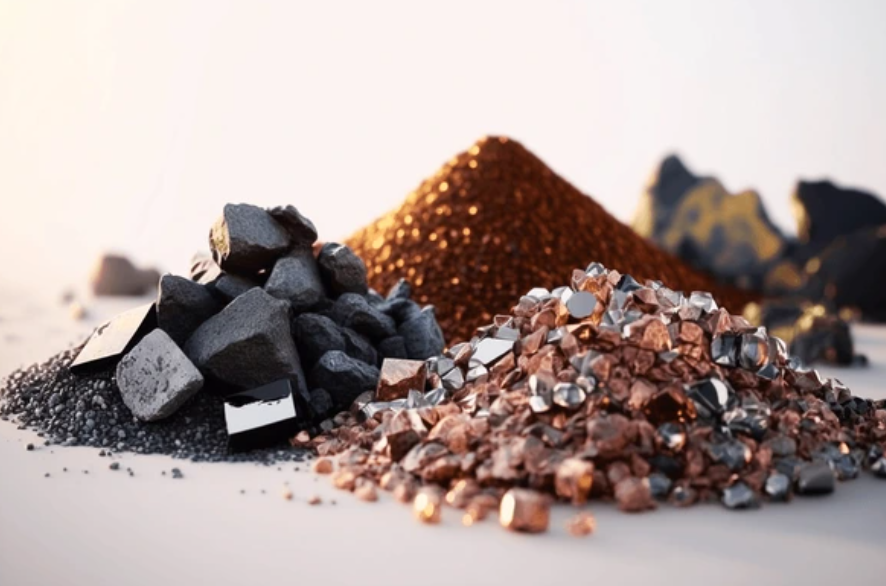
Critical Raw Materials
The European Union has in 2023 assessed a list of 34 Critical Raw Materials listed up underneath.
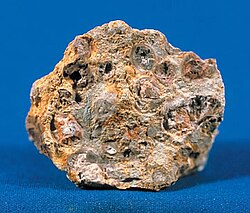
Beuxite
Facts:
Use: Production of aluminium
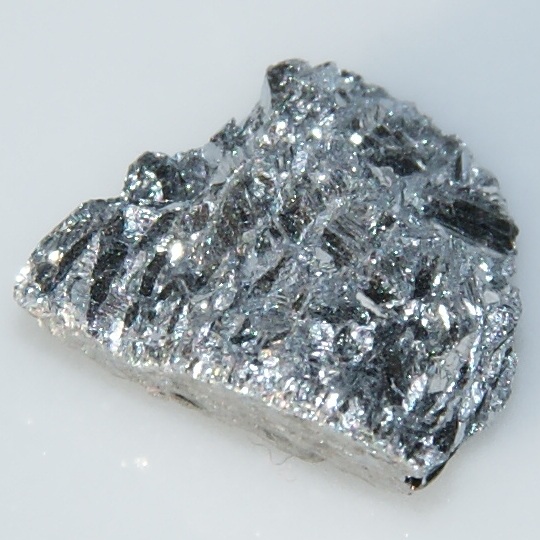
Antimony
Facts:
Found in the earth’s crus. Used in infrared sensors, military applications
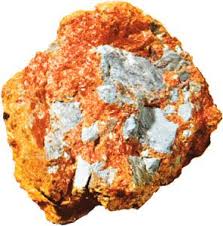
Arsenic
Facts:
Arsenic is also used in electronics, including in LCD screens, and as a dopant in the production of semiconductors
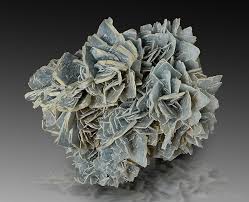
Baryte
Facts:
Barite is a mineral that is primarily used because of its high density. It is therefore also called heavy spar. Its main use is in drilling fluid for the oil industry
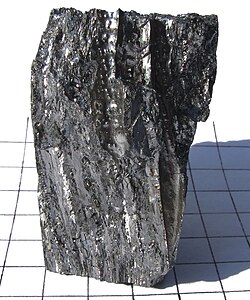
Beryllium
Facts:
Beryllium is mainly used in aerospace, electronics, and strong alloys due to its low weight and high strength
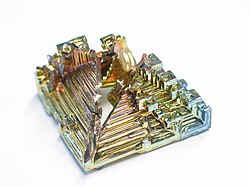
Bismuth
Facts:
Bismuth is mainly used in alloys, medicine, and as a safer substitute for lead
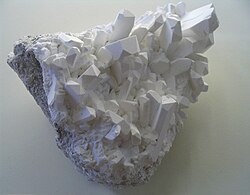
Borate
Facts:
Used as a flame retardant, as wood preservative, analysing contaminated soil
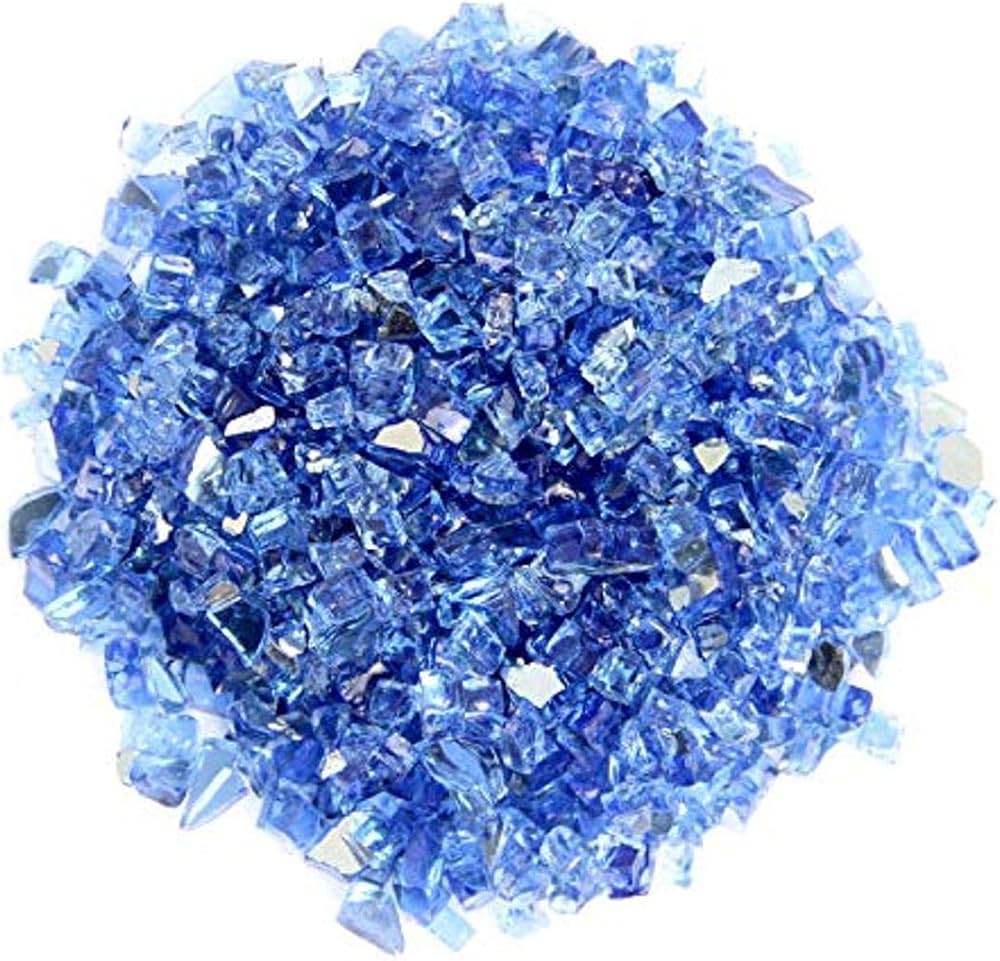
Cobalt
Facts:
Used as pigment. Cobalt is alloyed with steel to improve corrosion resistance and wear strength.
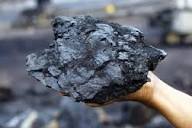
Coking coal
Facts:
Coking coal is mainly used to produce coke, which is essential for steel production.
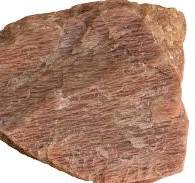
Feldtspar
Facts:
Feldspar is primarily used because it lowers the melting temperature and improves the strength and surface quality of materials, especially in glass and ceramics.
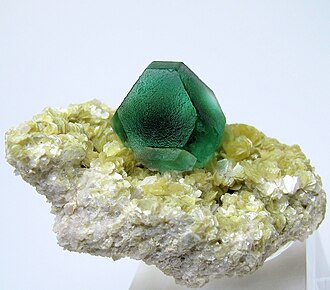
Flourspar
Facts:
Flourspar is essential for Chemical production (especially hydrofluoric acid)
Metal refining
Glass and ceramics
Advanced technologies
Gallium
Facts:
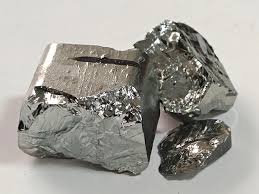
Gallium is widely used in the semiconductor and electronics industry, particularly in solar cells and light-emitting diodes (LEDs). It is also used in some high-temperature thermometers.
Germanium
Facts:
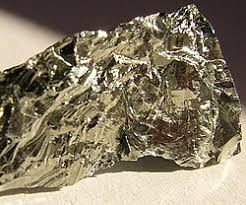
Germanium is a metalloid. It is an important semiconductor used in advanced electronics, fiber optics, and infrared optics.
Hafnium
Facts:
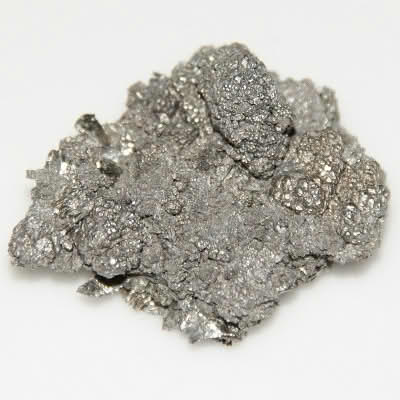
Hafnium is used in control rods in nuclear reactors and in various metal alloys and in electrodes in plasma torches
Helium
Facts:
Helium has an extremely low boiling point, which makes liquid helium ideal for cooling superconducting magnets, for example in medical MRI machines. Used in balloons
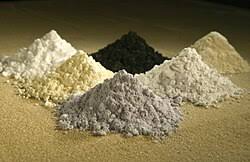
Heavy rear earth elem.
Facts:
They are essential for the global clean energy transition, particularly for enabling permanent magnets in electric vehicles (EVs) and wind turbines
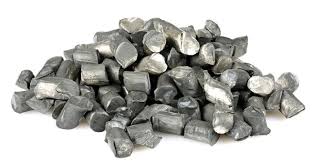
Lithium
Facts:
Essential component in rechargeable batteries (such as those in electric vehicles and electronics), and is used medically as a powerful mood-stabilizing drug
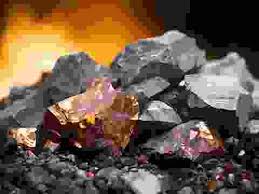
Light rear earth elem.
Facts:
They are the driving force behind modern clean energy, permanent magnets, and advanced electronics
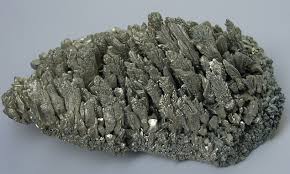
Magnesium
Read more:
Well suited for everyday objects in the form of alloys that have greater mechanical strength than pure metal. In construction, magnesium is the most widely used metal after steel and aluminum.
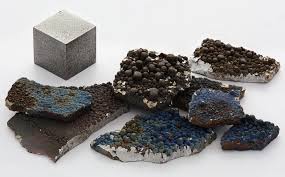
Manganese
Read more:
The human body requires it in small amounts to support enzyme function, bone formation, and blood clotting. Industrially, it is vital for steel production and electric vehicle batterie
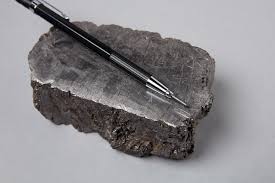
Natural Graphite
Facts:
It is most commonly known as the core of “pencils” and is used in everything from batteries to lubricants
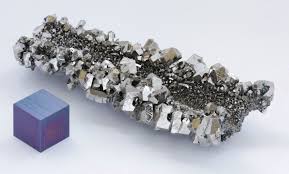
Niobium
Facts:
Around 90% of all niobium goes to the steel industry, where even extremely small amounts (less than 0.1%) significantly increase strength and reduce weight
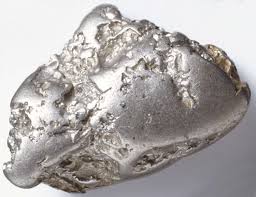
Platinum group met.
Facts:
Extreme rarity, high melting points, resistance to corrosion, and superb catalytic activity, makes them crucial to automotive, chemical, and green-energy industries
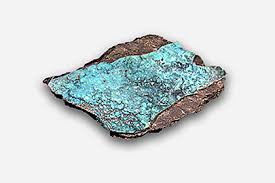
Phosphate rock
Facts:
Over 90% of global phosphate rock is processed into phosphoric acid for commercial agricultural fertilizers (the “P” in N-P-K) and animal feed supplements.
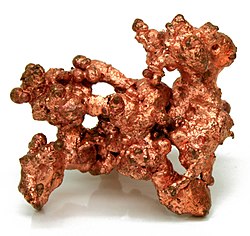
Copper
Facts:
Electrisity and renewal energi for the “green transition”
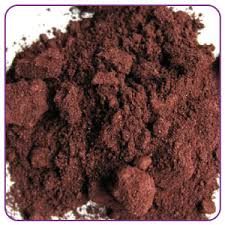
Phosphorus
Facts:
It is critical for human biology, global agriculture, and various chemical technologies
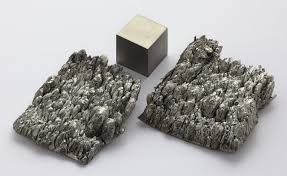
Scandium
Facts:
Its primary commercial uses include creating high-performance aluminum alloys for aerospace and sports equipment, and as an additive to boost the efficiency of solid oxide fuel cells
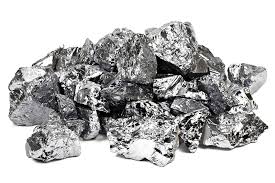
Silicon metal
Facts:
Silicon is a versatile metalloid used across technology, infrastructure, and consumer goods like solar panels, steel productions, semiconductors and Electronics
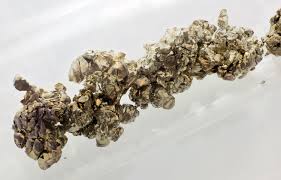
Strontium
Facts:
Brukes i medisinske kosttilskudd for beinhelse og i spesialglass.Gir fyrverkeri en intens rød farge
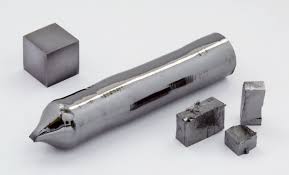
Tantalum
Facts:
It is most commonly used in tiny, high-performance capacitors in electronics (such as smartphones), superalloys in aircraft engines, and medical equipment.
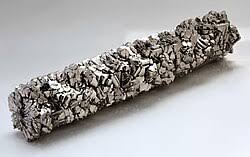
Titanium metall
Facts:
Titanium has a high strength-to-weight ratio and is used on its own or in alloys as a material for rockets, jet aircraft, submarines,tools and for medical use.
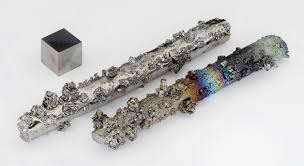
Thungsten
Facts:
It withstands extreme heat without melting or deforming, and is therefore used in filaments, TIG welding, and rocket components. It`s also used for hardening cutting tools and as ballast in F1 cars and airplanes.
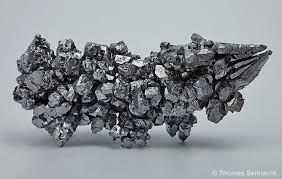
Vanadium
Facts:
Mainly used as an alloying element in steel to increase strength and toughness
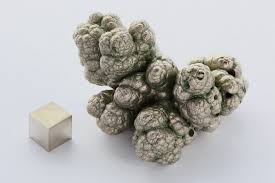
Nickel
Facts:
Nickel is used in many recognizable industrial and consumer products, including stainless steel, alnico magnets, coinage, rechargeable batteries